
Meest populaire keuze – Scherpste prijs!

Amazon.be Marketplace· Marketplace
€ 29,86
5 tot 6 dagenGratis verzending
Check de website voor de levertijd | Gratis bezorgd > €20,-

Heb jij dit product in bezit en wil je graag je mening geven? Start dan hieronder met het schrijven van je review. Afhankelijk van de details duurt het schrijven van een review gemiddeld tussen de 3 en 10 minuten. Met jouw mening help je andere bezoekers een betere keuze te maken én maak je iedere maand kans op €250,-! Klik hier voor de actievoorwaarden.
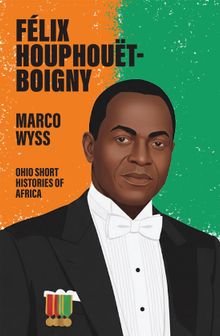
Félix Houphouët-Boigny, who ruled Côte d’Ivoire from independence in 1960 until his death in 1993, remains one of the most influential and controversial figures in modern African history. Revered by some as the “old sage” who transformed his country into an economic powerhouse and a haven of stability during the Cold War and reviled by others as a neocolonial collaborator whose policies sowed the seeds of later crisis, Houphouët-Boigny left a legacy that continues to shape debates about postcolonial governance and African international relations.
This first English-language biography offers a comprehensive and nuanced portrait of Houphouët-Boigny’s life and career. It traces his journey from Baoulé nobility and early prominence in colonial politics to his emergence as a leading African statesman after World War II. The book examines his shifting ideological positions-championing France’s imperial project, then embracing African nationalism during the collapse of the French Community-and his pivotal role in negotiating Côte d’Ivoire’s postcolonial relationship with France.
Houphouët-Boigny consolidated domestic power into a de facto one-party state, furthering his increasingly authoritarian tendencies and his efforts to modernize Côte d’Ivoire through economic development and grand architectural projects. Beyond domestic issues, the biography explores Houphouët-Boigny’s ambitions on the continental stage. It details his Cold War maneuvers, often in partnership with France, as he pursued regional dominance against figures like Kwame Nkrumah, supported Moïse Tshombe in the Congo, aided Biafra during the Nigerian Civil War, and even engaged with apartheid South Africa.
By situating Houphouët-Boigny within the broader dynamics of Françafrique-the enduring neocolonial entanglement between France and its former African colonies-this biography sheds light on the complexities of postcolonial rule. It offers essential insights into the political, economic, and diplomatic forces that shaped Africa in the second half of the twentieth century and that continue to resonate today.
