
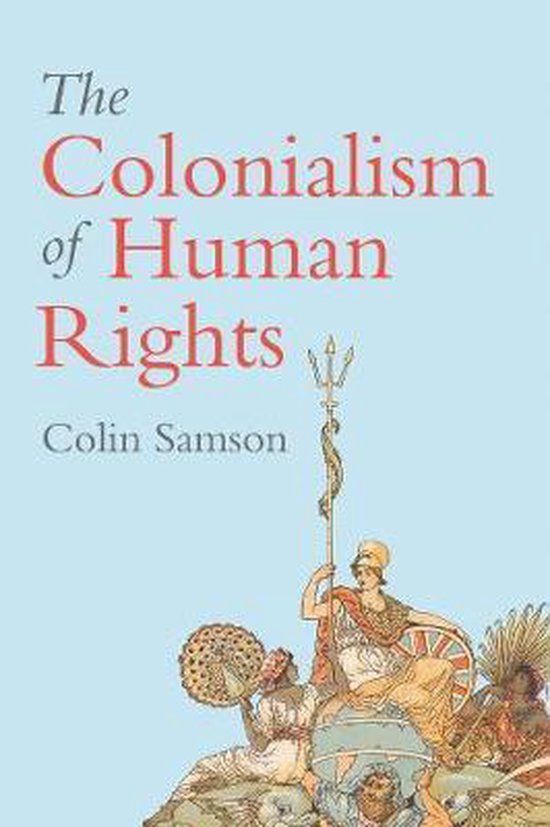
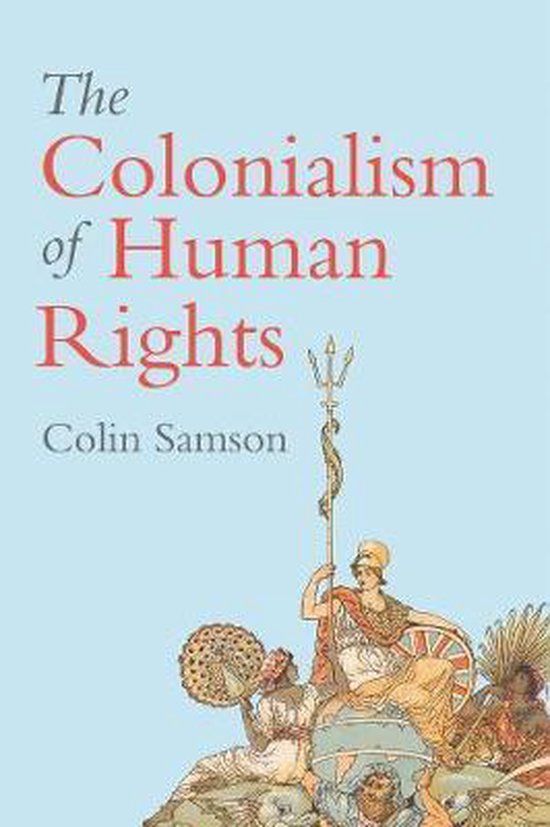
The Colonialism of Human Rights: Ongoing Hypocrisies of Western Liberalism (Paperback)
We konden geen prijzen vinden voor dit productGelukkig hebben we een paar sterke alternatieven voor je gevonden, deze vind je verder op de pagina.
Vergelijkbare of betere producten

Boeken Handboek Macrofotografie - 2e editie - Pieter Dhaeze
Bekijk productBekijk productv.a. € 26,99
-19%

Erik Grupo Schoolagenda 2020/2021 - 11 maanden - 11,4 x 16 cm - Glitter
Bekijk productBekijk productv.a. € 11,85

Bowers & Wilkins 706 S3 Boekenplank speaker - Hoogglans zwart
Bekijk productBekijk product0714346338245|1 stuk
v.a. € 1.049,00
- EAN
- Verpakkingsinhoud
- Vanaf prijs
- 0714346338245
- 1 stuk
- v.a. € 1.049,00Bekijk product

- -
- -
- v.a. € 71,38Bekijk product-35%
Overige kenmerken
- Taal handleiding
- en
- Verpakking lengte
- 22,6 cm
- Verpakking breedte
- 15 cm
- Product hoogte
- 2 cm
- Verpakkingsinhoud
- Nee
- Verpakkingsgewicht
- 408 g
- Product breedte
- 15 cm
- Product lengte
- 22,6 cm
- Verpakking hoogte
- 2 cm
- EAN
- 9781509529988
Productomschrijving
Do so-called universal human rights apply to indigenous, formerly enslaved and colonized peoples?
This trenchant book brings human rights into conversation with the histories and afterlives of Western colonialism and slavery. Colin Samson examines the paradox that the nations that credit themselves with formulating universal human rights were colonial powers, settler colonists and sponsors of enslavement. Samson points out that many liberal theorists supported colonialism and slavery, and how this illiberalism plays out today in selective, often racist processes of recognition and enforcement of human rights.
To reveal the continuities between colonial histories and contemporary events, Samson connects British, French and American colonial theories and practice to the notion of non-universal human rights. Vivid illustrations and case studies of racial exceptions to human rights are drawn from the afterlives of the enslaved and colonized, as well as recent events such as American police killings of black people, the treatment of Algerian harkis in France, the Windrush scandal in Britain and the militarized suppression of the Standing Rock Water Protectors movement. Advocating for reparative justice and indigenizing law, Samson argues that such events are not a failure of liberalism so much as an inbuilt racial dynamic of it.
This trenchant book brings human rights into conversation with the histories and afterlives of Western colonialism and slavery. Colin Samson examines the paradox that the nations that credit themselves with formulating universal human rights were colonial powers, settler colonists and sponsors of enslavement. Samson points out that many liberal theorists supported colonialism and slavery, and how this illiberalism plays out today in selective, often racist processes of recognition and enforcement of human rights.
To reveal the continuities between colonial histories and contemporary events, Samson connects British, French and American colonial theories and practice to the notion of non-universal human rights. Vivid illustrations and case studies of racial exceptions to human rights are drawn from the afterlives of the enslaved and colonized, as well as recent events such as American police killings of black people, the treatment of Algerian harkis in France, the Windrush scandal in Britain and the militarized suppression of the Standing Rock Water Protectors movement. Advocating for reparative justice and indigenizing law, Samson argues that such events are not a failure of liberalism so much as an inbuilt racial dynamic of it.
Reviews
Er zijn nog geen reviews geschreven
Heb jij dit product in bezit en wil je graag je mening geven? Start dan hieronder met het schrijven van je review. Afhankelijk van de details duurt het schrijven van een review gemiddeld tussen de 3 en 10 minuten. Met jouw mening help je andere bezoekers een betere keuze te maken én maak je iedere maand kans op €250,-! Klik hier voor de actievoorwaarden.