Description du produit
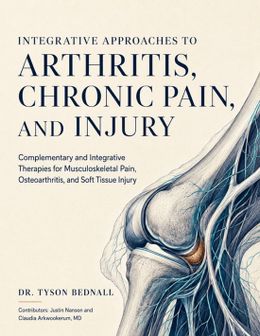
Musculoskeletal pain rarely fits neatly within a single diagnosis, mechanism, or treatment pathway. Arthritis, persistent pain, fibromyalgia, spinal disorders, and soft-tissue injuries often require coordinated care that addresses biological, psychological, physical, nutritional, and social factors.Integrative Approaches to Arthritis, Chronic Pain, and Injury gives healthcare professionals an evidence-guided framework for combining conventional treatment with complementary and nonpharmacological therapies. It helps readers distinguish clinically supported interventions from therapies founded mainly on theory, tradition, or commercial claims.Beginning with pain neuroscience, sensitization, biopsychosocial assessment, and integrative clinical reasoning, this reference examines a broad range of therapeutic options: - Therapeutic exercise and progressive loading- Manual therapy, massage, and myofascial techniques- Acupuncture, dry needling, TENS, and neuromodulation- Tai chi, yoga, qigong, and aquatic exercise- Cognitive behavioural and acceptance-based therapies- Mindfulness, sleep, stress reduction, and pain education- Anti-inflammatory dietary patterns and nutritional interventions- Botanicals, nutraceuticals, topical analgesics, and vitamin D- Osteoarthritis, inflammatory arthritis, fibromyalgia, and spinal pain- Tendinopathy, soft-tissue injury, and post-surgical rehabilitation- Cannabinoids, digital health, and precision integrative medicineClinical selection principles, safety considerations, contraindications, herb-drug interactions, red flags, and evidence hierarchies are incorporated throughout. Condition-focused chapters help readers construct individualised, multimodal management plans while recognising when conventional escalation or specialist referral is required.Designed for physicians, residents, rheumatology and pain practitioners, physiotherapists, rehabilitation professionals, nurses, and advanced healthcare students, this book provides a structured clinical resource for evaluating and integrating complementary therapies responsibly.Use it to strengthen clinical reasoning, support shared decision-making, and build safer, evidence-informed approaches to complex musculoskeletal pain.