
Choix le plus populaire

Amazon.be Marketplace· Marketplace
€ 301,49
3 à 4 joursVerz. € 5,18
Check de website voor de levertijd | Gratis bezorgd > €20,-


Tu possèdes ce produit et tu aimerais donner ton avis ? Commence ci-dessous à écrire ton avis. Selon le niveau de détail, écrire un avis prend en moyenne entre 3 et 10 minutes. Avec ton opinion, tu aides les autres visiteurs à faire un meilleur choix et tu tentes chaque mois de gagner 250 € ! Clique ici pour les conditions de l’action.
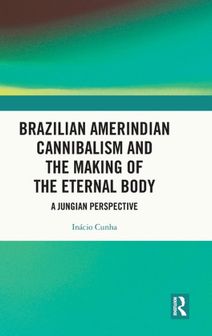
Drawing on extensive research into archaic Amerindian communities, this book presents a revolutionary thesis: Tupinambá cannibalism was not primarily about absorbing the qualities of the consumed enemy, but rather served as a sacred pathway toward constructing an eternal, incorruptible body.
Drawing on extensive research into archaic Amerindian communities, this book presents a revolutionary thesis: Tupinambá cannibalism was not primarily about absorbing the qualities of the consumed enemy but rather served as a sacred pathway toward constructing an eternal, incorruptible body.
The author meticulously examines how warfare and ritualistic enemy consumption formed the cornerstone of a complex religious system deeply committed to transcending mortality. By reframing cannibalism as an expression of profound spiritual yearning rather than primitive savagery, this work challenges conventional anthropological interpretations and offers fresh insights into the universal human quest for eternity. The analysis reveals how the cultivation of "enmity" and warfare served as vehicles for addressing humanity's most fundamental existential concerns.
It will be an interesting read for researchers in the fields of Jungian psychology, social psychology, anthropology, and archaic communities.
