
Choix le plus populaire – Meilleur prix !

Amazon.be Marketplace· Marketplace
€ 53,87
3 à 4 joursLivraison gratuite
Check de website voor de levertijd | Gratis bezorgd > €20,-

Tu possèdes ce produit et tu aimerais donner ton avis ? Commence ci-dessous à écrire ton avis. Selon le niveau de détail, écrire un avis prend en moyenne entre 3 et 10 minutes. Avec ton opinion, tu aides les autres visiteurs à faire un meilleur choix et tu tentes chaque mois de gagner 250 € ! Clique ici pour les conditions de l’action.
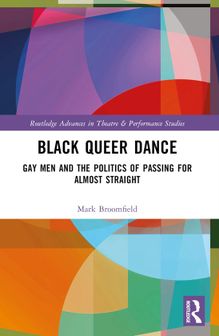
This book is a groundbreaking exploration of black masculinity and sexual passing in American contemporary dance.
This book is a groundbreaking exploration of black masculinity and sexual passing in American contemporary dance.
Based on ethnographic fieldwork in New York City, the book features keen observations and in-depth interviews with acclaimed dancer-choreographers Desmond Richardson and Dwight Rhoden Co-Artistic Directors of Complexions Contemporary Ballet and Ronald K. Brown, Artistic Director of Evidence. Black Queer Dance examines one of the most visible crucibles for masculinity—the male dancer—and illuminates the contradictory and conditional acceptance of black gay men’s contributions to American modern dance. The book questions the politics of "coming out" and situates a new framework of "doing out" for understanding marginalized black LGBTQ people in the 20th and 21st century. Narratives of black queer male dancers’ performance of identity reveals the challenges posed navigating strategic gender performances in a purportedly post-gay and post-race American culture. Broomfield demonstrates how the experiences of black queer, gender nonconforming, and nonbinary men expose the illusions of all masculine gender performances. Drawing on masculinity studies, dance studies, critical race and performance theory, and queer studies Black Queer Dance implicates the author’s embodied history, autoethnography, memoir and poetry that shines light on how black queer men offer an expansive vision of masculinity.
This book will be a vital read for graduate and undergraduate students within dance and performance studies.
