
Choix le plus populaire – Meilleur prix !

Amazon.be Marketplace· Marketplace
€ 95,82
3 à 4 joursLivraison gratuite
Check de website voor de levertijd | Gratis bezorgd > €20,-

Tu possèdes ce produit et tu aimerais donner ton avis ? Commence ci-dessous à écrire ton avis. Selon le niveau de détail, écrire un avis prend en moyenne entre 3 et 10 minutes. Avec ton opinion, tu aides les autres visiteurs à faire un meilleur choix et tu tentes chaque mois de gagner 250 € ! Clique ici pour les conditions de l’action.
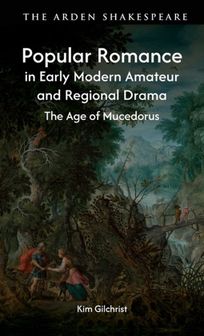
As one of the most popular early modern plays, Mucedorus provides new insights into romance narratives and the understudied history of amateur and regional performance. A story of a disguised prince and a rebellious princess surviving various perils in a pastoral forest, Kim Gilchrist highlights how this anonymous play encompasses the common themes through which early modern performance was most widely experienced.
He explores the rich landscape of regional performance that existed after the play’s original performance in London playhouses and its later revival by Shakespeare’s King’s Men before the Stuart court. As the play was widely performed outside of London by non-professionals, the book draws attention to theatrical culture independent of the capital with distinct dramaturgical characteristics. This expands our understanding of the relationships between commercial, literary and elite drama, and wider national traditions of playing. Gilchrist corrects the play’s critical neglect by situating its value to early modern performers and audiences. The reasons for this neglect focus on the class and gendered aspects of the romance genre, which we learn was vital for so many, even as it endured literary derision.
