Hot Deal Alert

Amazon.be· Vendeur reconnu
€ 23,19
6 jours ou plusVerz. € 3,00
Check de website voor de levertijd | Gratis bezorgd > €20,-


Learn to detect the secret signals that shape power, trust, and influence.
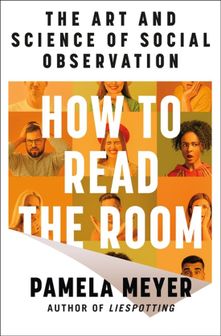
In all aspects of today's world, power, trust, and influence are negotiated in every glance, pause, and click. Perfecting the art of social observation is the key to success in any endeavor. In How to Read the Room, Pamela Meyer draws on cutting-edge behavioral science, intelligence-agency tradecraft, and real-world storytelling-from comedy clubs and boardrooms to digital deepfakes and family dinners-to reveal the unseen forces that shape every human encounter.
This essential survival manual introduces a clear, four-step framework for social observation-one that turns the elusive art of "reading people" into a disciplined practice. Meyer provides a structured way to decode what's really happening in any room-why certain people command attention, how power shifts, and how subtle cues can reveal intent. Through vivid examples and field-tested strategies, readers will learn how to profile motives, sense emotional undercurrents others miss, and turn observation into influence without manipulation.
Mastering these tools will unlock the rarest form of social intelligence: the ability to not only read any room, but to leave it better than you find it.
Tu possèdes ce produit et tu aimerais donner ton avis ? Commence ci-dessous à écrire ton avis. Selon le niveau de détail, écrire un avis prend en moyenne entre 3 et 10 minutes. Avec ton opinion, tu aides les autres visiteurs à faire un meilleur choix et tu tentes chaque mois de gagner 250 € ! Clique ici pour les conditions de l’action.
